A post on Behind the Brief names something I know from experience: the relationship between a brand and a creator’s manager is one of the most important in influencer marketing, and one of the least valued.
What managers actually do
On the creator’s side, a manager translates the brief into something the creator will act on. They warn the brand when a deadline is unrealistic and flag a concept that will not fit the audience. They push for a better draft before the brand ever sees the weak one. They handle changes, timing and payment terms, often for several clients at once, and keep the creator motivated through all of it.
None of that appears in the case study. When a campaign runs smoothly, the manager is often the reason.
I have been on both sides
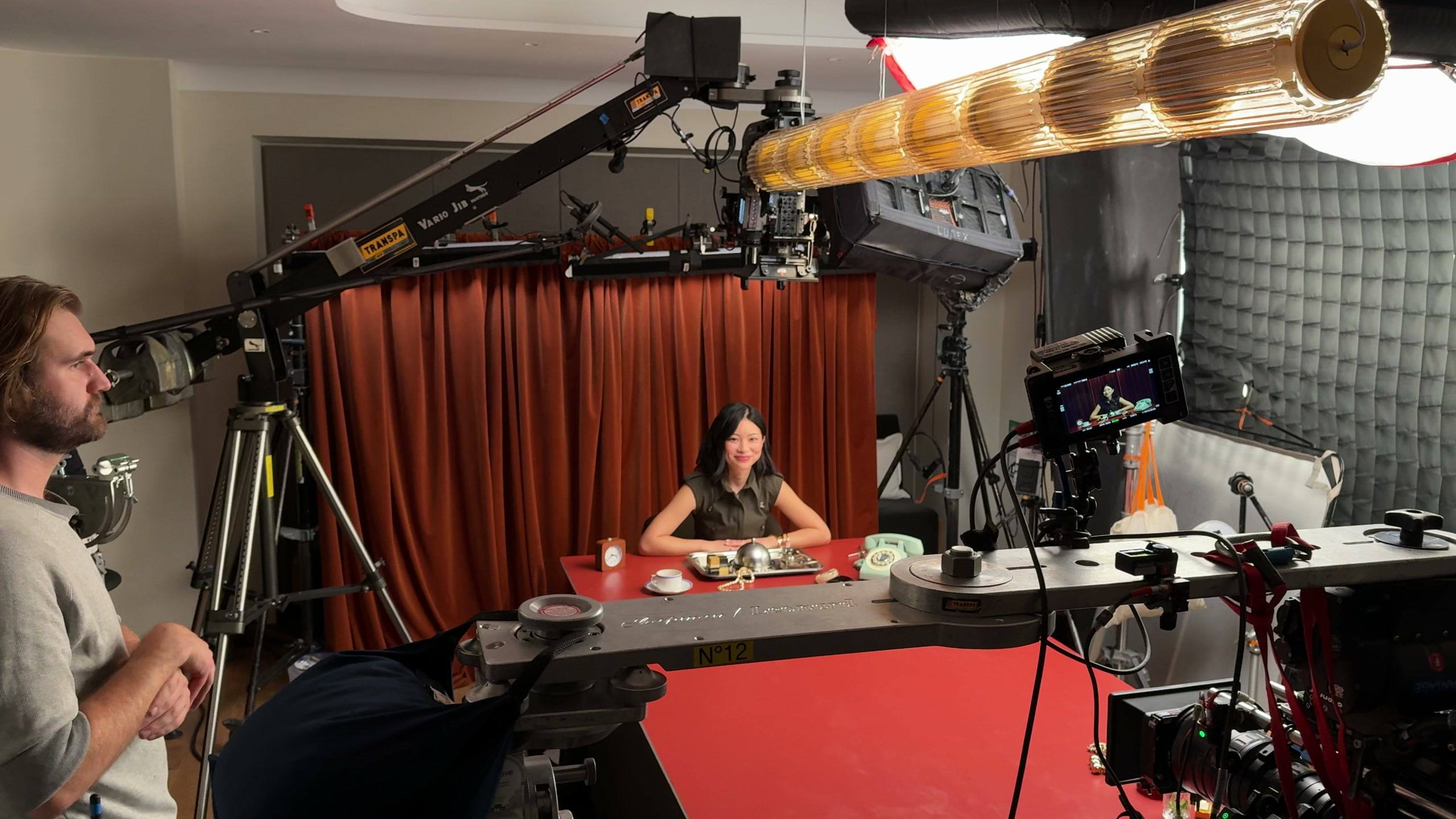
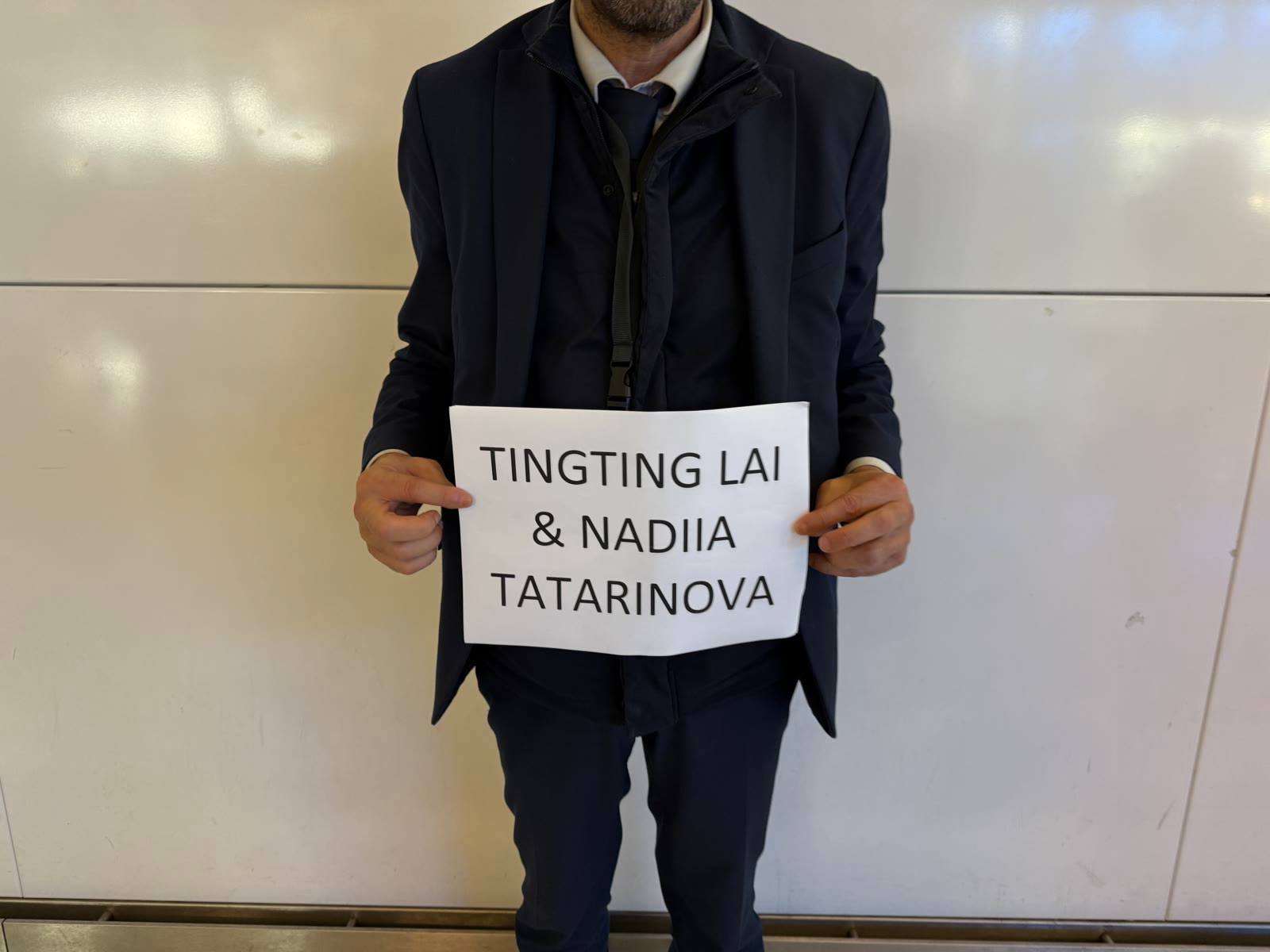
On the brand side, I cast creators and run campaigns, for example the paid round for Sol de Janeiro. On the talent side, I have been on set with creator TingTing Lai for Kilian Paris in Paris, her first magazine cover for Numéro Berlin and a skincare campaign for Estée Lauder and Zalando.
From the creator’s side you see how much depends on the brand’s emails: a clear call time, a brief that explains why, a contact who answers. From the brand side you see how much depends on the person who reads those emails.
Where brands go wrong
The post’s diagnosis is accurate. Brands put enormous effort into vetting creators, negotiating rates and approving content, and treat the manager as a formality whose job is to confirm on time. They rarely ask about the manager’s roster, capacity or constraints. When a post is late, they blame the creator, when the real cause is often a manager juggling five “urgent” requests that week.
What works instead
Three habits that change the relationship from transactional to collaborative:
- Call before the brief. Ask what is realistic: timing, formats, approvals. Ten minutes saves a week.
- Explain the why. Share the reasoning behind the timeline and the message. A manager who understands the campaign can argue for it with the creator.
- Write every email like it matters. Clear, complete, kind. It is the brand’s reputation on the creator’s side.
The result is hard to put in a report: earlier warnings, less chasing, creators who feel like partners. Transactional relationships fall apart the first time something goes wrong. Collaborative ones hold.
Why it matters for your brand
When I run a campaign, I treat managers as partners, because I know what their week looks like. For agencies that need a local partner in DACH who knows both sides, that is what I offer on influencer agencies.
Source: “The Most Underrated Relationship in Influencer Marketing”, Behind the Brief, July 2026.