A post on Behind the Brief makes a point I wish more teams heard early: creator selection does not start with creators. It starts with consumers. The rest of the post is a guide to thinking like a marketer. Here is how that thinking turns into the workflow I run for brands in the German-speaking market.
1. The consumer
Before any profile goes on a list, I write down who the campaign has to reach: what they care about, where they discover things, which communities they belong to and what problem the product solves for them. The same creator can be perfect for one campaign and wrong for the next, because the consumer changed.
2. One objective
Then one goal, in one sentence. A launch, awareness, education about an ingredient, store traffic, sales through a code, user-generated content. The objective decides the creators, the platforms, the brief and the metrics. Education needs creators who explain. Conversation needs engaged communities more than big ones. A retail launch needs creators whose audience buys.
3. Talent sourcing with reasons
Every name on my shortlist comes with a reason: audience fit, past results, content style, how they carry a brand on camera. As the post puts it, the recommendation matters, but the reasoning matters more. A reason turns a preference into a decision your team can defend.
4. The terms, in plain words
Influencer marketing has its own vocabulary, and each word is a decision:
- Deliverables: exactly what the creator posts, where and when.
- Usage rights: whether and where the brand may reuse the content, and for how long. It changes the fee.
- Whitelisting: running paid ads through the creator’s account.
- Exclusivity: which competitors the creator may not work with, and for how long.
- KPIs: the numbers that show the objective was met.
- CPM: cost per thousand impressions, to compare efficiency.
- Earned media value: what the attention would have cost as paid media.
I agree all of it before content goes live, so nobody negotiates rights after the post is out.
5. A one-page brief
Goal, key message, approved claims, must-haves, no-gos, advertising label, rights and dates. In German for German-speaking creators. Everything else is the creator’s voice.
6. Approval and one window
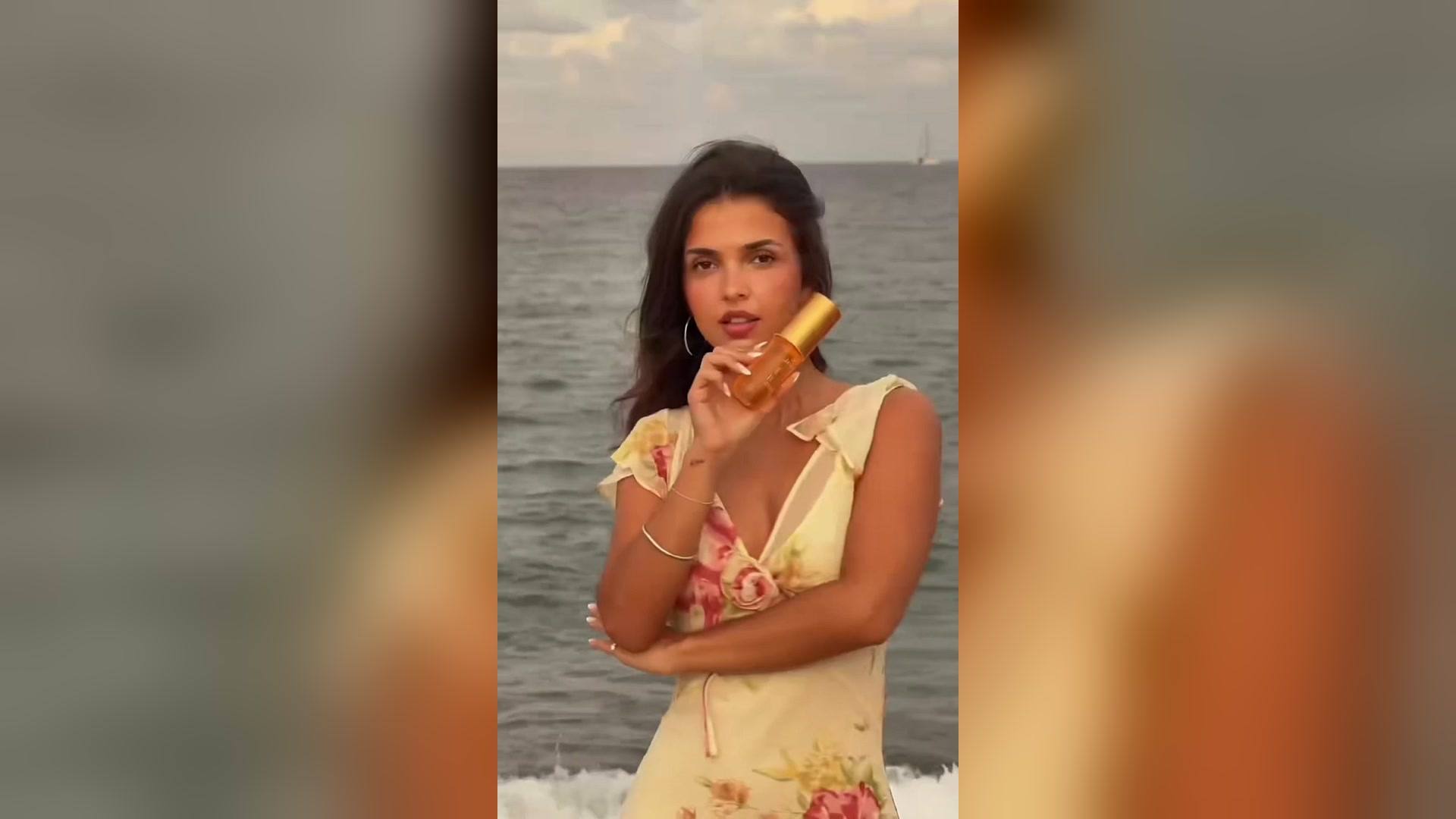
Drafts come back, I check them against the brief and the brand, and every post goes live in one shared window, so the launch reads as one moment. For Sol de Janeiro that meant 25 posts in one window and 5.97M people reached.
7. A report your HQ can read
Reach, views, engagement, earned media value, and what we learned, written so the team can forward it. Including what did not work.
Read campaigns by their decisions
The post suggests reading other brands’ campaigns by asking why they were built that way: why this creator, why now, why this platform. Its example is Sol de Janeiro’s move into men’s fragrance timed around the World Cup. I keep a file of campaigns like that, and it is the best training I know.
If you want this workflow for your next launch, it is what I offer in influencer marketing.
Source: “How To Sound Like You Know What You’re Talking About In Influencer Marketing”, Behind the Brief, July 2026.