Jill Grace’s essay on the rise of the cultural strategist describes a shift I recognise from every brief that lands on my desk. The tactics that once set social teams apart, quick hooks, trending audio, a certain edit, are now available to everyone. The platforms change the rules mid-game anyway. What is left is interpretation.
Culture is what people use
Grace draws a clean line: content is what a brand publishes, culture is what people use to build themselves. People do not buy a pair of leggings or a serum only for what it does. They buy who they get to be with it.
That is the lens I bring to every project, because it is the lens I was trained in. At Vogue and at Mercedes-Benz Fashion Week the job was to protect a brand’s codes in every placement: the right face, the right room, the right light. A cultural strategist does the same thing on social, with creators and in real places.
Four questions I ask before any campaign
Grace offers a checklist. Mine overlaps with it, adapted to launches in the German-speaking market:
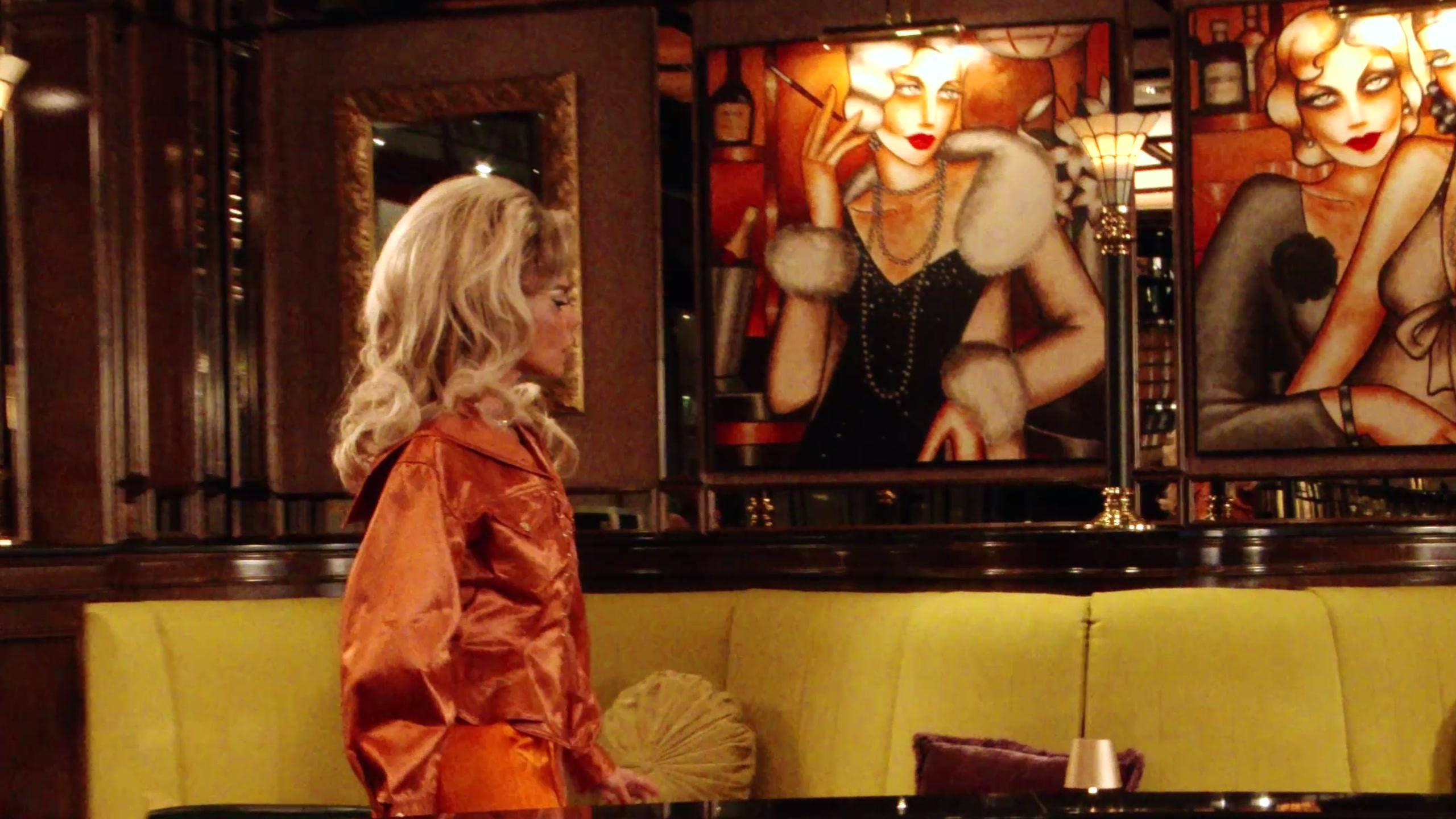
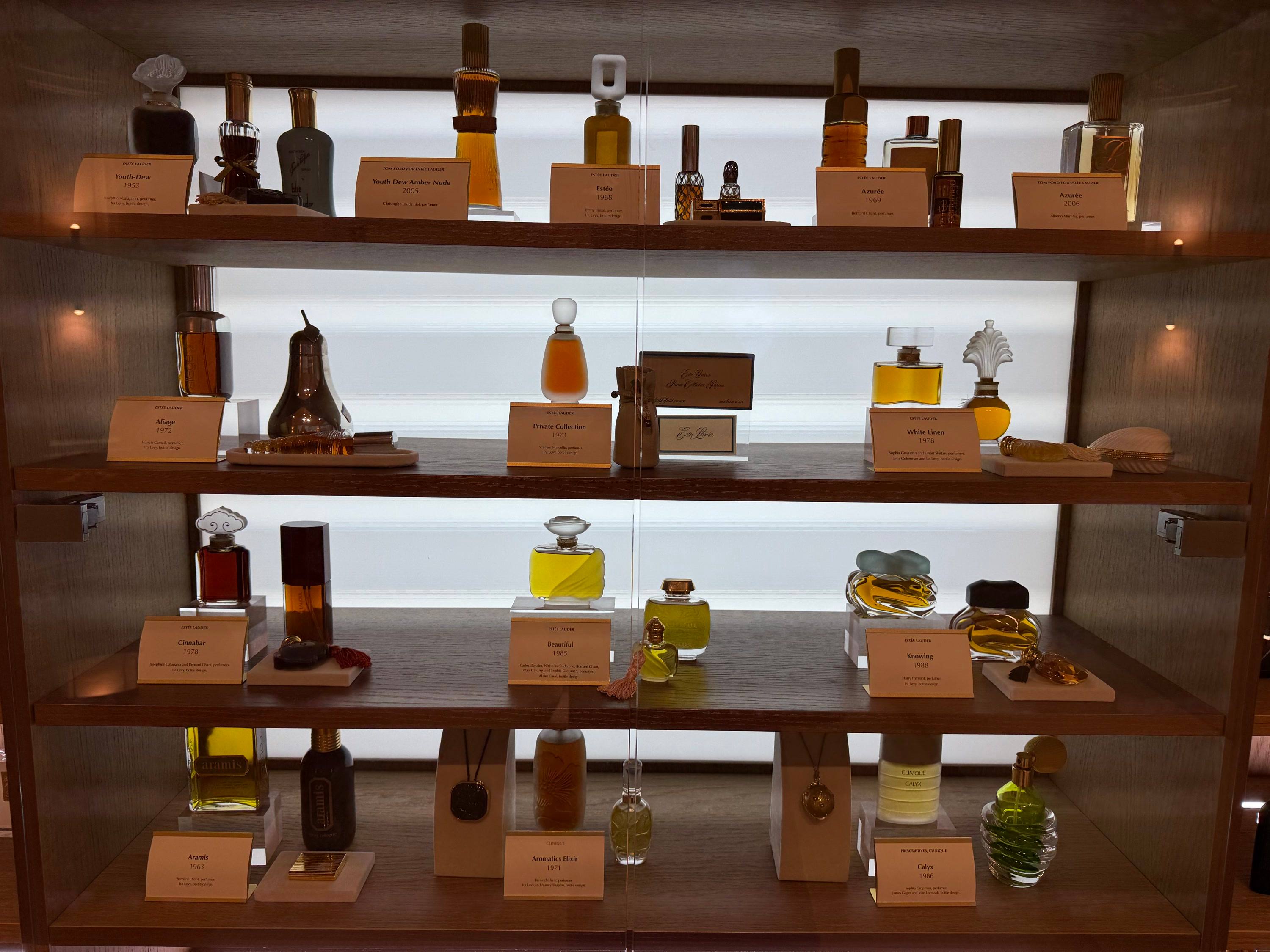
- Identity. When someone buys this, who do they get to be? A Kilian Paris fragrance is not bought for its notes alone. For the Her Majesty film, the muses were chosen to embody that answer.
- Codes. Which words, looks, rituals, creators and places does this audience use to recognise each other? In Berlin those codes differ from Munich, Vienna or Zurich, and a campaign should speak them rather than a global brand voice.
- Tension. Which cultural tension can the brand credibly resolve? Softness and ambition, indulgence and discipline, visibility and privacy.
- Behaviour. What should people do? Try, wear, save, gift, come back. “Awareness” is not a behaviour.
Proof makes it safe to join
Grace’s fifth point is proof: the people and moments that make it feel safe to belong. Creators with real standing, a sold-out room, a consistent look over time. She calls pop-ups physical receipts. I would add dinners, cover shoots and race weekends to that list.
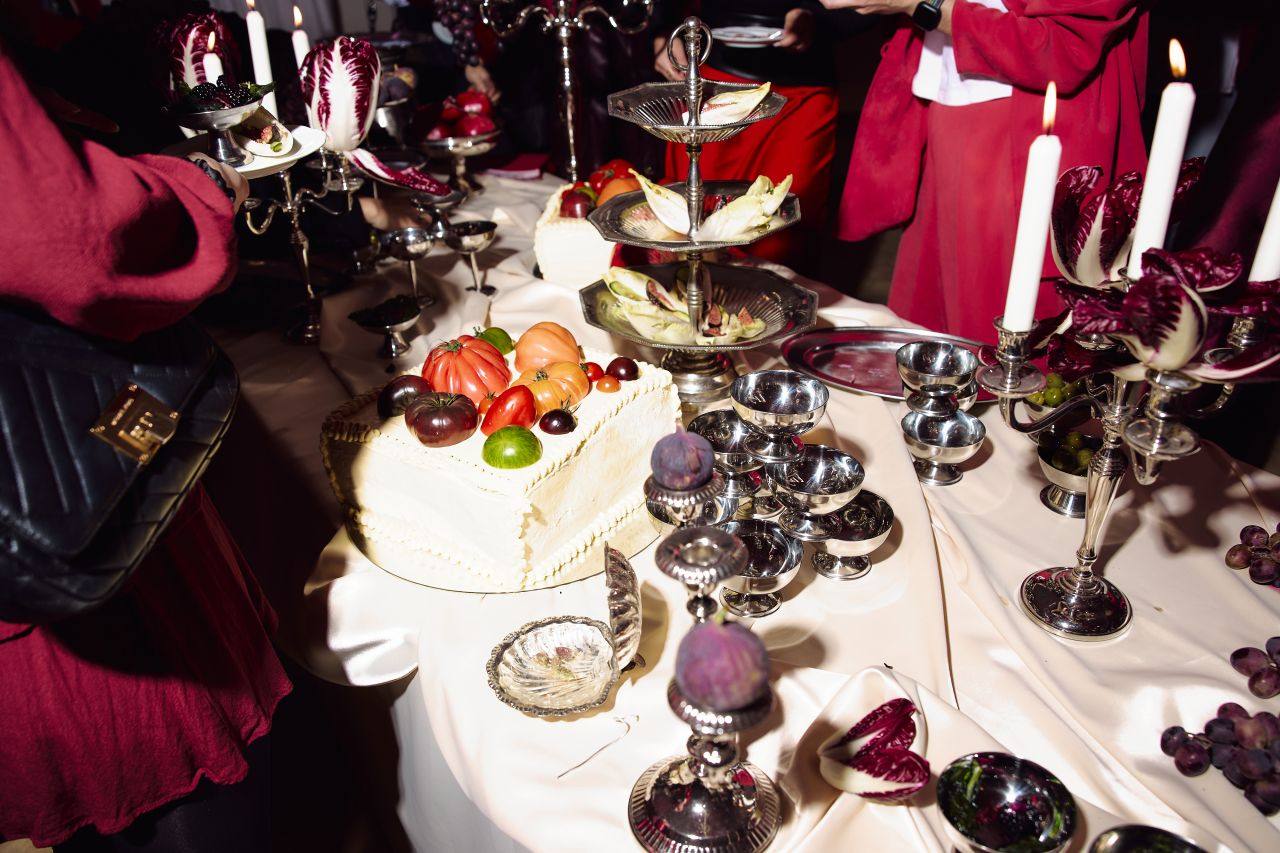
It is also why the projects I am proudest of are less about volume and more about meaning. An all-red, fully edible menu for The Female Company told guests what the brand stands for before anyone gave a speech. A first magazine cover for TingTing Lai gave her audience a reason to see her differently.
Why it matters now
Feeds are full of content that looks the same, more and more of it generated. In that environment, the brands that win will not be the loudest. They will be the clearest about what they mean, and the most fluent in the codes of the people they want.
That is the job behind my job. Talent Sourcing, events and content are the tools. Reading the culture is how I decide which ones to use. How that turns into a plan for your brand is on content strategy.
Source: Jill Grace, “The Rise of the Cultural Strategist”, Savvy Strategist, January 2026.