Mackensie DeBello spent hours studying why some things spread and others do not, and wrote up what she found through Jonah Berger’s STEPPS framework from his book Contagious. She is careful to call it a lens, not a checklist, and content does not need all six to travel. I use the same six as questions when I plan campaigns.
1. Does sharing it make people look good?
Social currency: people share what makes them seem smart, in the know or part of something. DeBello’s example is a group of friends in New York whose visible closeness makes followers want in.
For brands, that is why access works. A seat at a dinner, an early look, a first cover. Guests at The Female Company’s all-red launch shared it because being there said something about them.
2. Is there a trigger?
Ideas spread when everyday cues bring them to mind. Nara Smith’s from-scratch cooking has become one: cooking anything reminds people of her. Signature colours, phrases, sounds and a fixed day and time all work as triggers. The last one is the most underrated and the hardest to keep.
3. Does it make people feel something strong?
High-arousal emotions drive sharing: awe, amusement, excitement, even anxiety. Neutral content gets watched and forgotten. Chicken Shop Date lives on awkwardness and deadpan humour, and stays in that lane every time.
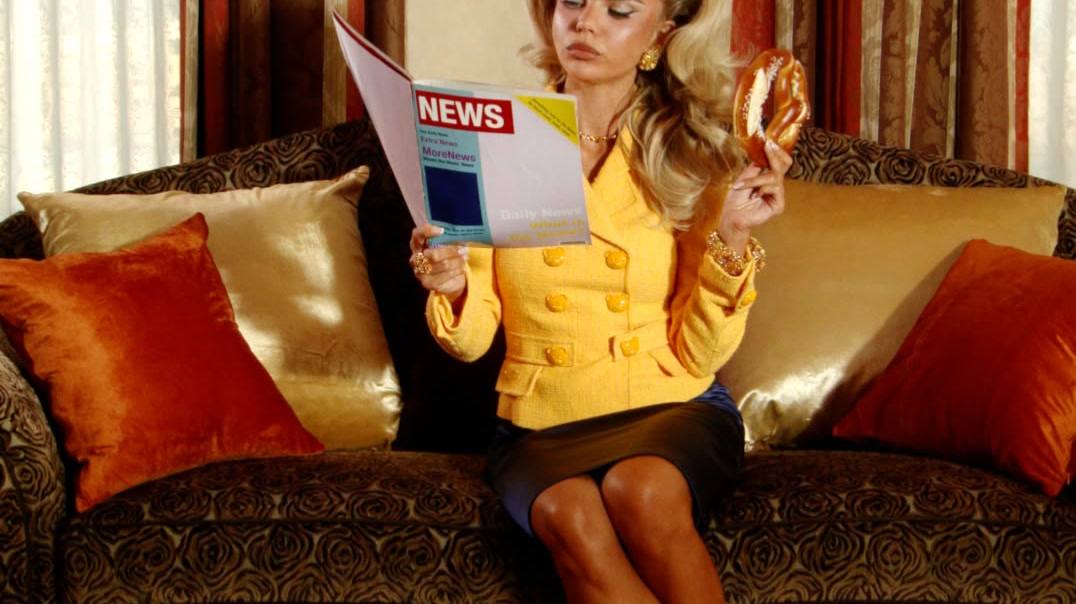
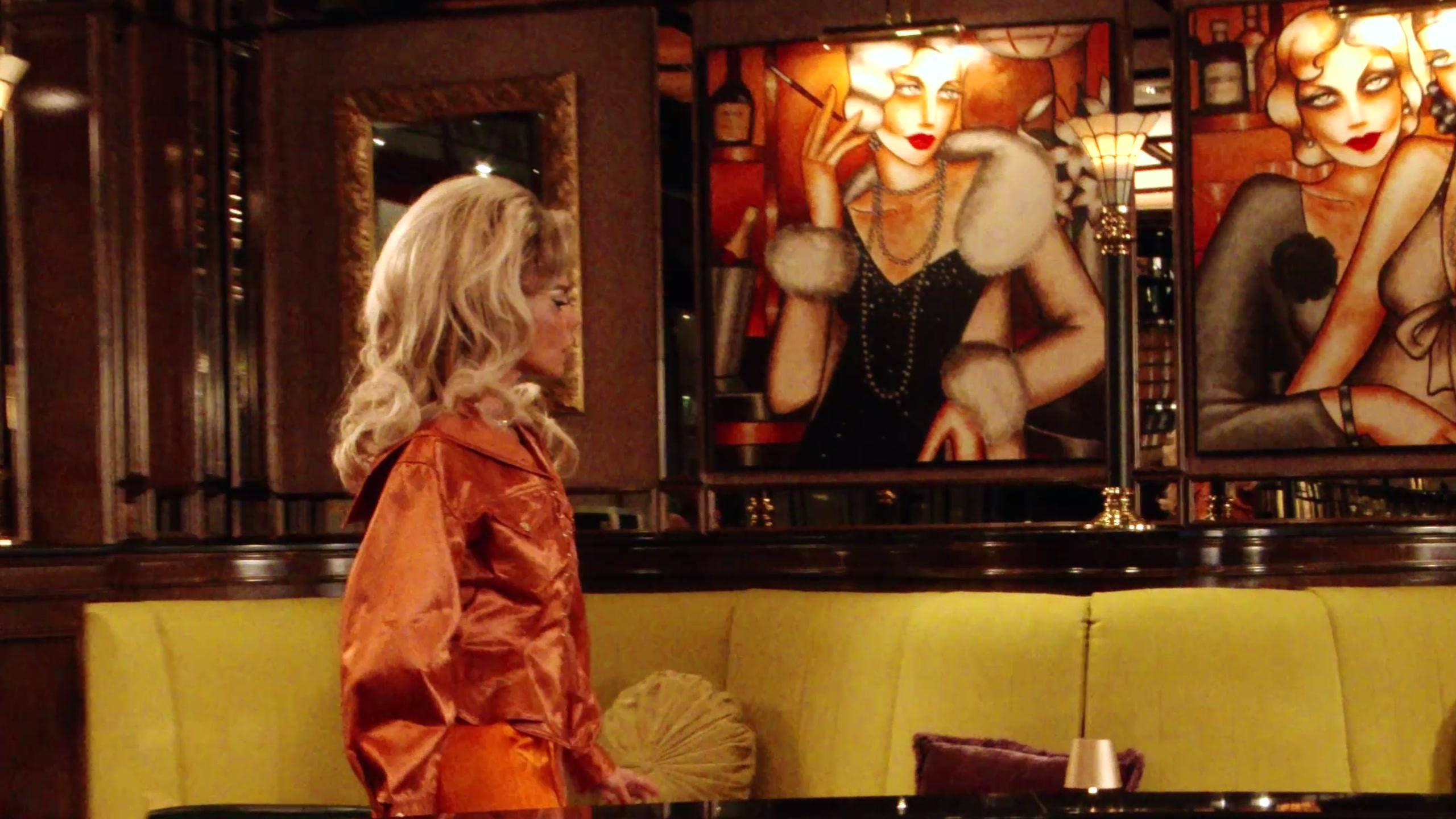
This is why I pushed for drama in The Intense Diaries: Aliona Gris screaming into a phone is more shareable than a calm product shot. The trailer passed 5.8M views on TikTok.
4. Can people see others doing it?
What is public gets copied. DeBello points to a Long Island bakery whose dot cakes spread through queues, unboxings and reactions, with searches reportedly up more than 850 percent in a week. Visible participation made more people want to participate.
That is the logic of one shared posting window: when many creators post about one product in the same days, the audience sees a movement, not an ad.
5. Is it useful?
Practical value spreads because sharing it feels generous. Tutorials, routines, how-tos. They also keep working long after posting, because people save them. In UGC this is often the strongest format I make for brands: a product shown in use, step by step.
6. Is there a story?
People share stories more than facts. The best ones make the message inseparable from the narrative, so the brand cannot be cut out without losing the story. A series does this better than a single post, which is one reason brands are making their own shows.
How I use it
Before a campaign goes live, I run the plan through these six questions. Not every piece needs all of them, but every campaign should have at least two answered with a clear yes. It is part of how I build a content plan and brief UGC creators.
Source: Mackensie DeBello, “I Spent Hours Studying Why Things Go Viral. Here’s What I Found.”, Substack, July 2026. Framework: Jonah Berger, Contagious (2013).